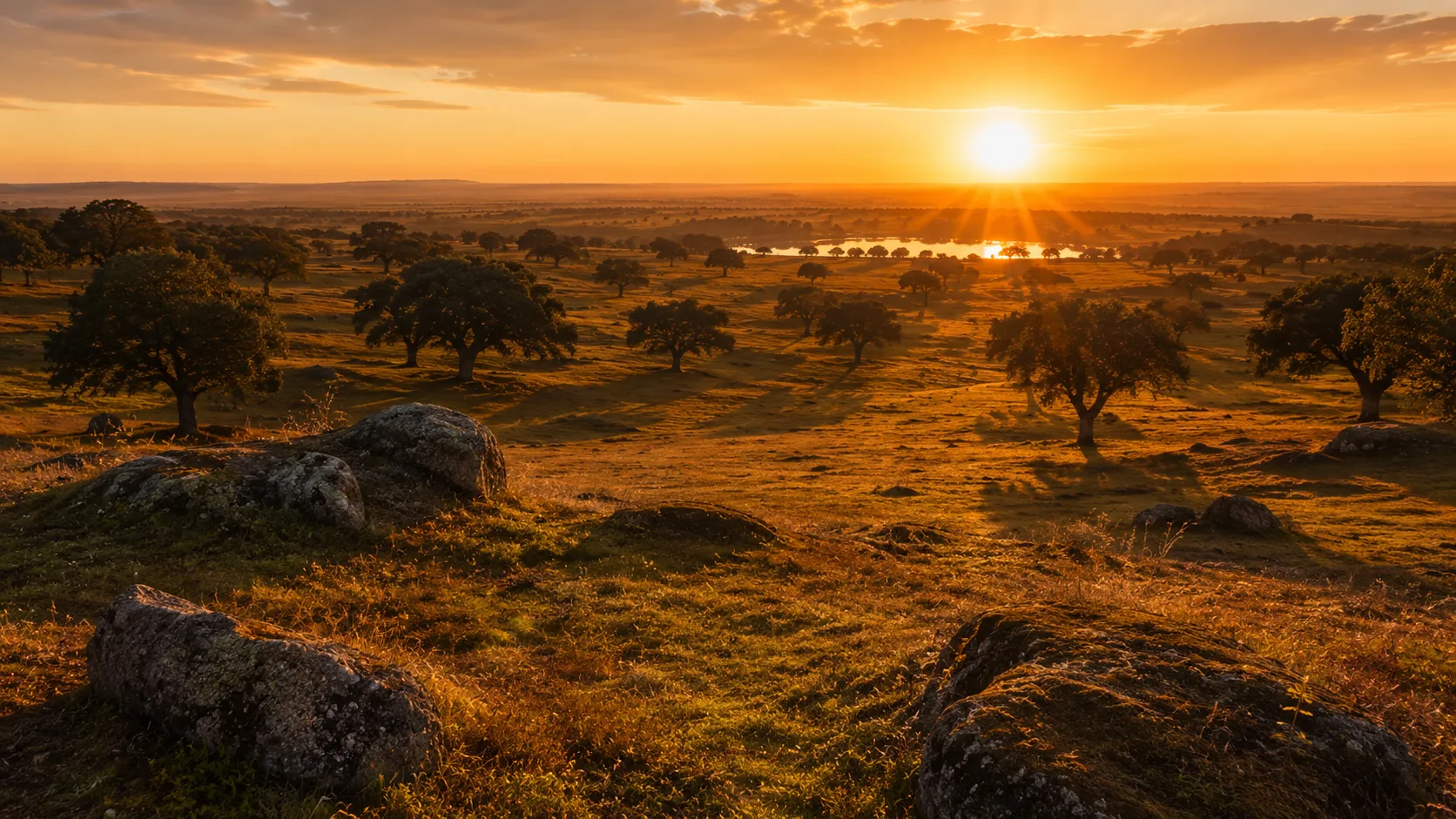
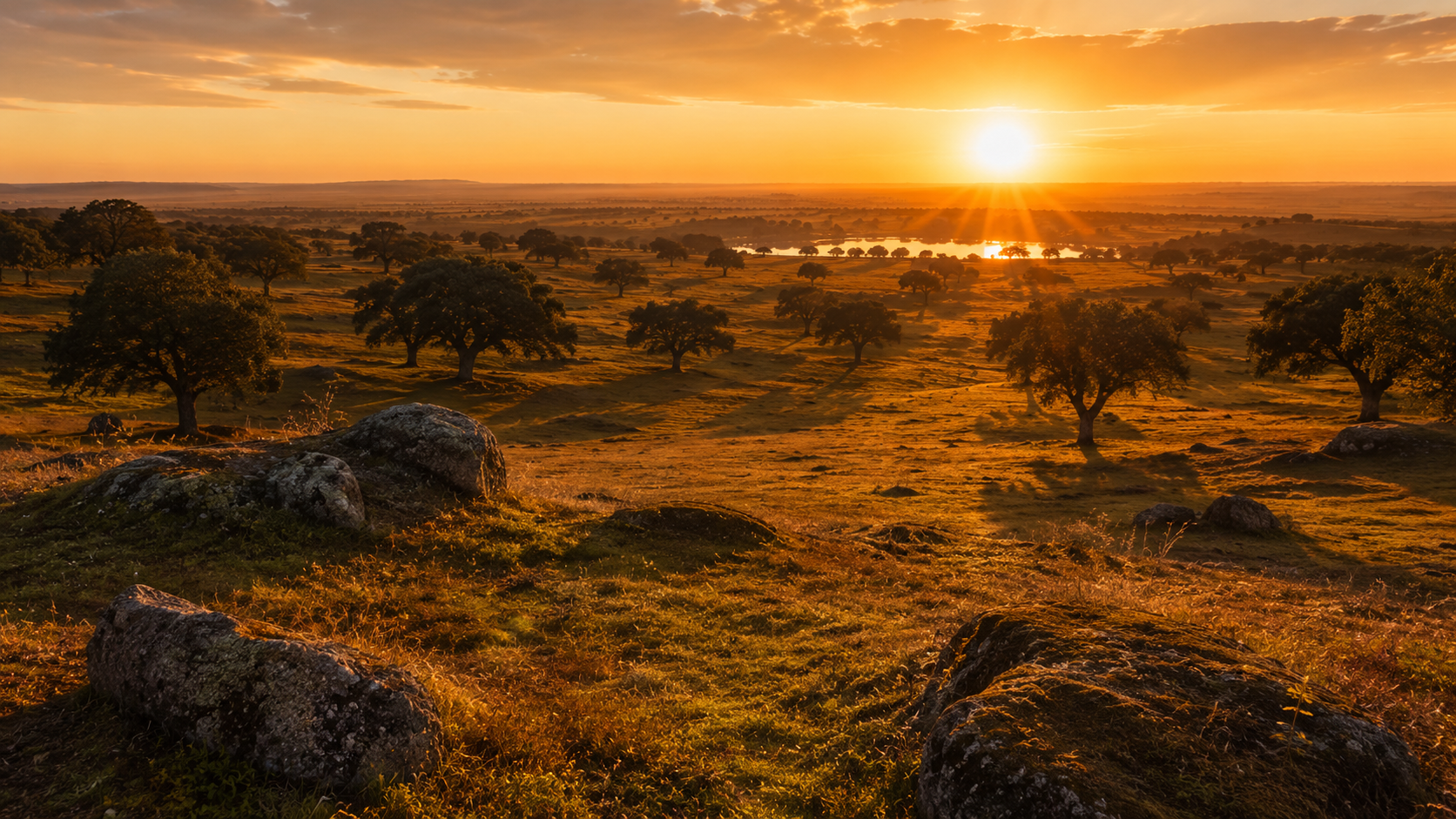
Úrsula has spent her whole life in the dehesa, and her whole life watching the same gap: the one between the work done in the field and what consumers understand when they buy. Behind every product there was land, husbandry, feed, decisions and care. Almost none of it reached the person holding it.
An idea that started with a chat Along the way she met Pedro, who was mulling over how to give producers more visibility, and Luis, a programmer able to turn that idea into a tool. Out of those conversations came Databilidad: a company built so consumers know better what they eat and so the things producers do well finally get their due.
The idea took shape in Origen Visible. With a QR, the consumer goes from the label to a page that talks about the farm, the batch and the information provided by whoever produced it.
Plenty of good things happen in the field, but they aren't always seen. Making them visible is also giving them their value.
What you can see, you value In Úrsula's case, the public pages make it possible to explain the farm, the land and the commitments behind every product. They don't replace official controls or operator records: they give visibility to information that usually stays scattered or invisible.
The story sums up the problem Databilidad set out to solve. Giving visibility to work done well doesn't just help you sell better; it helps consumers value the products of the land, responsible processes and the people who keep this craft alive.